
Feet Naturally — natural steps, better health
The shelf
08
Essential oil

Lavender Oil

Calms the skin and the person

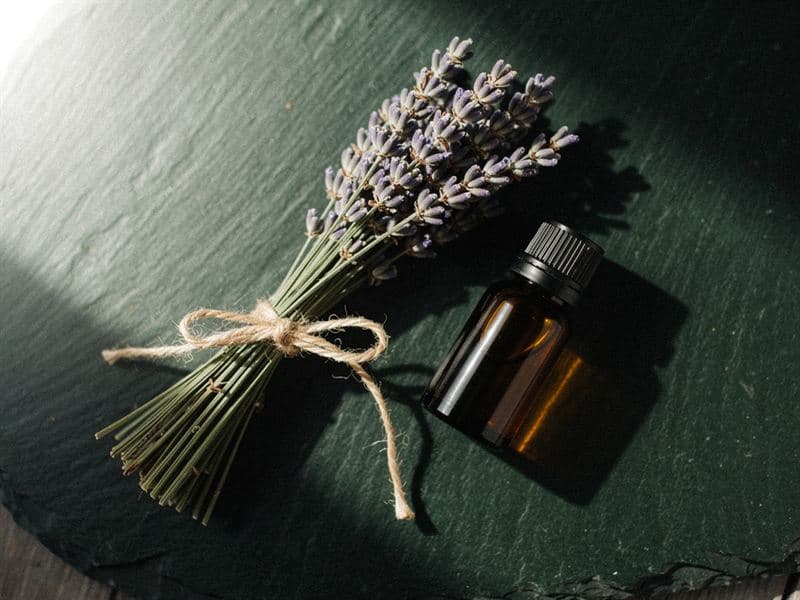
Lavender Oil — still life

Lavender is the most forgiving essential oil in this index and the most versatile. It is antiseptic, anti-inflammatory, mildly analgesic, and it is one of very few essential oils gentle enough to be used neat on a small patch of skin — though diluting is still the better habit.

For feet it covers a wide range. It calms the inflammation and rawness of cracked heels. It takes the sting out of the pressure points that hammer toes and mallet toes create. It moisturises dry skin without aggravating it. And on burning feet, the anti-inflammatory action does more than a cooling sensation alone would.

The sedative quality is not incidental either. Foot pain that keeps you awake responds to something that treats the pain and helps you sleep.

How to use it

  1. 1

    Bedtime soak

    Six drops into a warm basin, fifteen minutes before bed. Dry thoroughly, then moisturise.

  2. 2

    Cracked heel treatment

    Four drops into a tablespoon of shea butter or coconut oil. Work into the heel at night, cover with a cotton sock. The sock is what makes this work.

  3. 3

    Pressure point relief

    Three drops in a tablespoon of carrier oil, massaged into the knuckle of a hammer or mallet toe where the shoe rubs.

Before you use it

  • Even lavender should be patch tested — a small number of people react to it.
  • Buy true lavender (Lavandula angustifolia). Lavandin is cheaper, more common, and harsher.
  • Keep it off broken skin until the skin has closed.

Treats

Also appears in

Feet Naturally — book cover
From the book

Feet Naturally

The original book this guide is built from — 30 common foot problems and the natural remedies for them.

Share this

This is natural-care information for general guidance only — it is not medical advice. For severe, worsening, or diabetic foot problems, please see a doctor.