
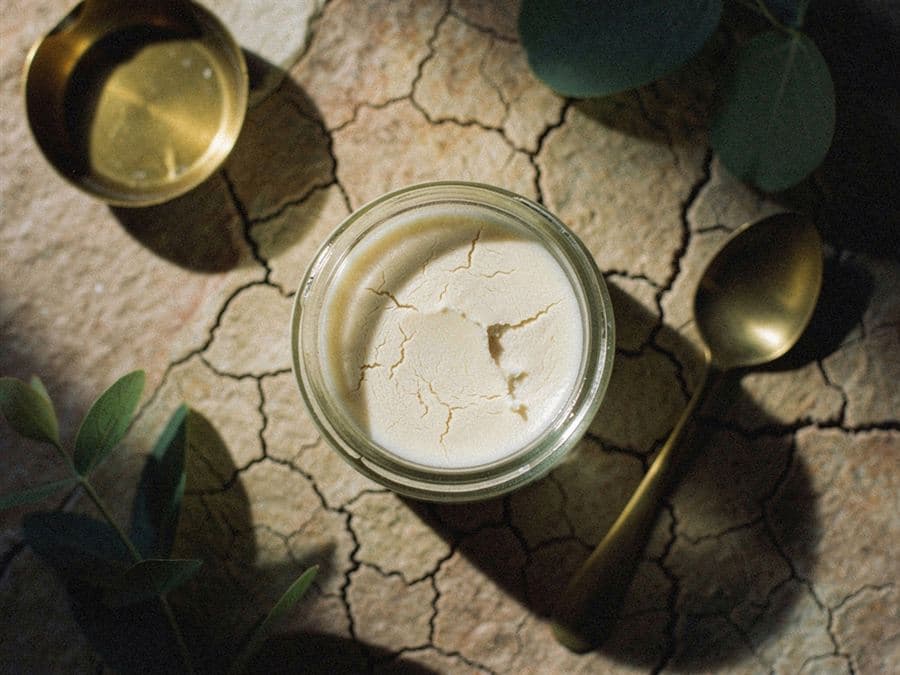
Cracked heels are an extremely prevalent problem and mostly reflect the neglect of proper foot care. In our busy schedules, we are often left with little time to care for our feet as they deserve. Months of such neglect result in painful and uncomfortable cracks developing in the heel area. Cracks mainly occur when the skin lacks moisture. Thus cracks are much more pronounced in the dry winter months than during summer. A regular foot moisturizing routine is essential if you want to avoid cracks.
These cracks and fissures in our heels can become very painful if not treated at an early stage. Since our feet bear the whole weight of the body, the pressure on our heels tends to deepen these fissures, possibly making them more serious. Moreover, an open wound may make your feet more susceptible to bacterial or yeast infections and thus complicate your feet problems.
Prevention and Remedial Measures
It is advisable to treat cracked feet and fissures as soon as they start developing so as to prevent the occurrence of more harm. The following pointers will help preserve, treat and protect the health of your heel skin naturally at home.
Regular pedicures - Pedicures are simple treatments but you simply cannot afford to ignore them if you want to keep heel cracks at bay. A home pedicure consists of just giving your feet a good soak in warm water with a mild soap, followed by gently scrubbing off the dead skin with a pumice stone. You will be astonished at the results you obtain. The warm soak softens the dead skin layers, making them easier to peel off, while the pumice stone scrub exfoliates the dead cells and the accumulated dirt. Giving your feet a regular pedicure will allow your heel skin to breathe freely, without the pores being blocked by dead cells and dirt, so that it remains healthy.
Avoid extreme climates - You should take great care to protect your feet from exposure to biting cold, during the winter. You can opt to wear good socks to protect your skin. Wash your feet regularly with warm water, but make sure not to go to the opposite extreme and use too hot water, as that could cause your skin to dry out still more.
Good moisturizers - The use of a good moisturizing cream on the feet is another essential step in conditioning your feet and keeping the heels soft and supple. Urea-based creams or petroleum jelly are excellent moisturizers for the feet. Whichever you choose, remember to apply it at least three times a day, and put on socks if you are going out or before you go to bed.
Foot bath - If you have heel cracks and fissures, try using the hot and cold foot bath technique for truly amazing results. This consists of soaking your feet in hot and cold water consecutively a number of times. The variation in temperature stimulates foot circulation and hastens the healing of any existing cracks or fissures. If you can, add a few drops of an essential oil like lavender, tea tree or cinnamon to boost the anti-bacterial effect of the hot water. Not only so, the oils also soothe the skin and help to heal the bruises.
Wear padded shoes - Always remember to wear comfortable padded shoes when your heels are cracked, to provide your feet with both comfort and support during this phase. You should never ever walk barefooted with cracked heels as bacteria or fungi can easily gain access. Also keep away from public showers, swimming pools ro gym locker areas till your feet are whole again, as these places provide the ideal conditions for breeding fungi.
What you’ll need
This is natural-care information for general guidance only — it is not medical advice. For severe, worsening, or diabetic foot problems, please see a doctor.