Mallet toe is basically a contracted toe condition. Similar to a hammer toe except the joint affected is the DIPJ (distal interphalangeal joint), hammer toe deformity is mostly the PIPJ (proximal interphalangeal joint). Generally the public views them as the same. This deformity is formed when the last joint (DIPJ) in the affected toe is unable to straighten. The deformed toe will keep rubbing against the underside of the footwear. This continuous friction will lead to pain and the development of other foot problems like corns and blisters.
Mallet toe usually affects poorly functioning joints of the toes, but can also result from prolonged arthritis of the toes. It can affect the normal functioning of the feet because of the significant pain and discomfort. If your footwear is not comfortable and well-fitting, it could worsen your condition and even impair your mobility.
Remedy and Prevention for Mallet Toe
Mallet toes can lead to a lot of pain and disability in foot functioning. Instead, taking care of the problem at the very outset can prevent it from worsening. You should know how your deformed toe is shaped, so you can predict which areas will be sensitive and take precautions to avoid injuring them. If it is overlooked, the condition could progress to more severe tissue damage and serious foot infection.
Proper shoes - If you have mallet toe, you should aim at shifting the pressure and friction away from the sensitive areas and keeping them as free as possible. This will greatly help to ease the rubbing and irritation caused by your shoes. Select shoes that have a wide and high forefoot so that your toes have enough space for comfort. This will prevents corns, blisters and other forms of abrasive foot injuries from developing in the mallet toe area.
Herbal footbath - If you suffer from pain, blisters, corns or other inflammation in the mallet toe region, give your painful feet a herbal footbath using essential oils like eucalyptus, lavender, peppermint or bergamot oils. You can also use these essential oils topically, by massaging them into the affected area to soothe the sore skin.
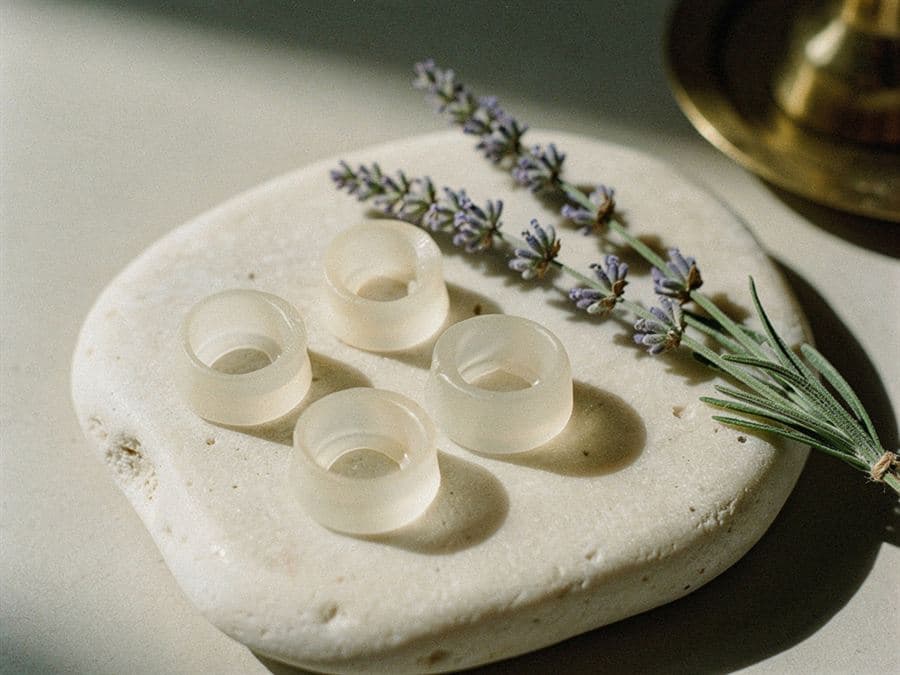
In addition to these remedies, you can also wear gel toe caps or toe crests on the affected area to protect it from further friction against your shoes. Gel caps will provide comfort, support and soft padding to your toes, allowing you to experience immense relief from the discomfort and irritation caused by this deformity.
What you’ll need
This is natural-care information for general guidance only — it is not medical advice. For severe, worsening, or diabetic foot problems, please see a doctor.