
Feet Naturally — natural steps, better health
The shelf
21
Herb

Olive Leaf

Antiviral, antifungal, anti-inflammatory

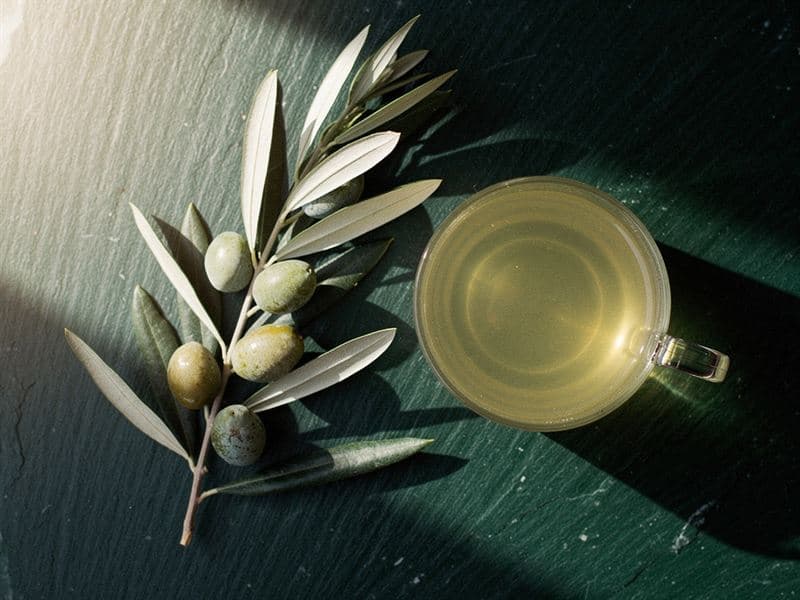
Olive Leaf — still life

Olive leaf extract comes from the leaf rather than the fruit, and its active compound is oleuropein — the bitter substance that protects the tree from infection. It carries that protective role over: oleuropein is antifungal, antibacterial, antiviral and anti-inflammatory all at once, which is an unusually broad profile.

That breadth explains its spread across this book. Toenail fungus draws on the antifungal action. Swollen feet draw on the anti-inflammatory action. Cold feet and dry feet draw on its effect on circulation and on the skin's antioxidant defences.

It comes as dried leaf for tea, as a tincture, or as a standardised extract. The dried leaf is the cheapest and works perfectly well for soaks.

How to use it

  1. 1

    Steeped soak

    Two tablespoons of dried olive leaf steeped in a jug of just-boiled water for fifteen minutes. Strain into a basin, cool to comfortable, soak twenty minutes.

  2. 2

    Compress for swelling

    Soak a cloth in the cooled tea and hold it against a swollen ankle or foot for ten to fifteen minutes with the foot raised.

  3. 3

    Nail application

    Olive leaf tincture applied to the nail with a cotton bud twice daily. Slower than tea tree but gentler on the surrounding skin.

Before you use it

  • Olive leaf can lower blood pressure and blood sugar. If you are treated for either, speak to your doctor before using it regularly.
  • Avoid during pregnancy.
  • Do not confuse olive leaf with olive oil — different part of the plant, different action.

Treats

Feet Naturally — book cover
From the book

Feet Naturally

The original book this guide is built from — 30 common foot problems and the natural remedies for them.

Share this

This is natural-care information for general guidance only — it is not medical advice. For severe, worsening, or diabetic foot problems, please see a doctor.