
Toenail fungus is a very difficult condition that afflicts the toes and fingernails of the feet. Also called 'onychomycosis' in medical parlance, it is quite common. It is due to infection by a class of fungi called dermatophytes, which are usually found in dark, soiled and moist surroundings. It can often require repeated courses of treatment and even then it may take a long time to be completely eradicated. The pain and rotting away of the nails often result in severe disability.
Symptoms of Toenail Fungus
With toenail fungus the dermatophytes breed in the living tissue under the nails, making their home in the nail bed. The first sign of active infection is often the appearance of white or yellow spots under the nail as it gets separated from the underlying blood supply of the nail bed. . As the infection gradually spreads, the nail becomes thickened, crusty and discolored. In the later stages, the color of the nail darkens; the nail is distorted and becomes brittle, often loosening from the nail bed. This can result in considerable pain and discomfort mainly at the tips of the toes and fingers. Sometimes, the fungal infection is accompanied by a fetid odor.
What Causes Toenail Fungus?
Toenail fungus is most likely to be acquired in places that are warm, humid and dark, like swimming pools, public showers and lockers, gym lockers, sweaty and moist shoes, instruments used during unhygienic pedicures and washrooms. The infection is usually transmitted through an open cut or abrasion on a person afflicted with toenail fungus, or through cast off brittle nail chips of an affected person
The fungus affects mostly those who have a weak immune system or immune deficiency. It also affects diabetics, people who sweat too much and those who have had athlete's foot before. Poor blood circulation is an important contributing factor which not only makes it difficult for the body to react to the fungal infection in time but also impedes healing of the infection.
Natural Herbal Home Remedies for Toenail Fungus
Vinegar - This is an age-old anti-fungal agent. Soak some cotton wool with vinegar and apply it to the affected area as many times a day as you can. Or you could try taking a vinegar footbath using a mixture of two parts warm water and one part vinegar. The only drawback is that it might take up to a month to see visible results.
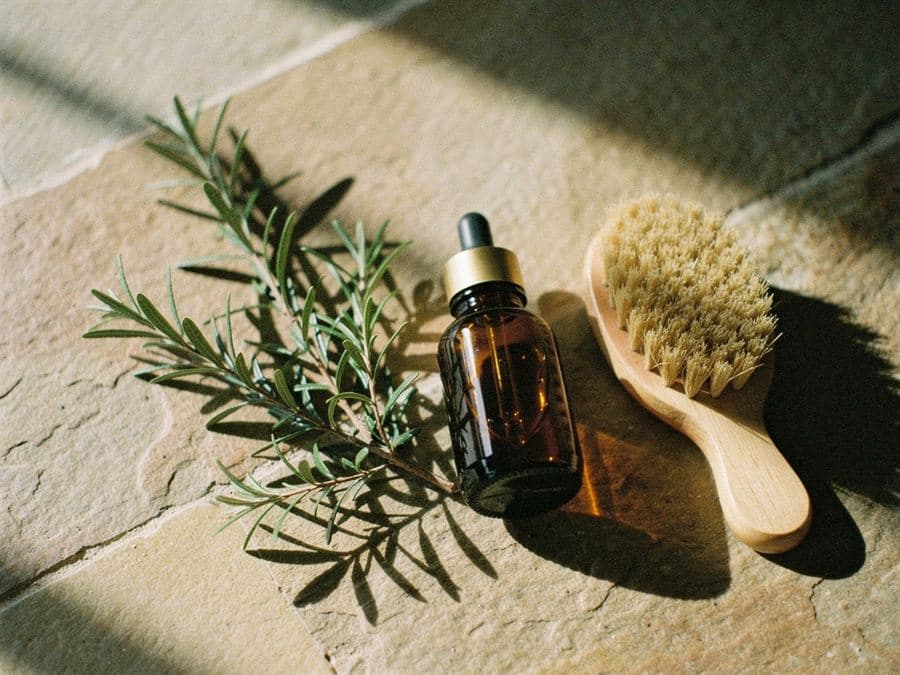
Essential Oils - Essential oils like tea tree oil, oregano oil, pine oil, cedar oil, clove oil, etc. are very effectual remedies for toenail fungus. Paint these oils on your affected nail every day to see a rapid improvement in nail health and to keep the fungus at bay. Tea tree oil in particular has strong anti-fungal and anti-bacterial actions against a wide variety of fungi/bacteria.
Homemade Anti-Fungal Ointment - You can prepare an effective anti-fungal ointment with the following ingredients: 1 cup of pure olive oil, half an ounce of any herbal powder mix containing at least three anti-fungal herbs, 1 ounce of beeswax and a few drops of tea tree oil or any other anti-bacterial oil of your choice. These herbal ingredients are easily available from any health store. Use this homemade ointment on the affected nail area at least twice a day to speed up the recovery of your nail.
Grapefruit Seed - Another natural ingredient for treating fungal infection is grapefruit seed extract. This oil is just as effective as tea tree oil with similar properties. Healing is generally seen within two months.
Garlic - Garlic is also a very effective anti-fungal spice, though its pungent smell may put you off initially. If you use it religiously on the affected area, it can work wonders. You can either rub a clove of raw garlic on the toenail every day, or use it in ointment or powdered form. You could even try eating two or three cloves of raw garlic every day, to deliver a boost to your immunity and to speed up the healing process.
Olive Leaf Extract - This is another potent herbal agent for fighting toenail fungus. Olives are very strong natural antibiotics which act against all kinds of bacteria and fungi. It also has an important role in cleansing and detoxifying the body and stimulating the immune system.
Precautions and Preventive Measures for Fighting Toenail Fungus
- Always trim your toenails straight across, keep them short and clean and file them regularly.
- Disinfect your scissors, files and nail cutter after every use to maintain hygiene.
- Avoid moist and dark areas and always keep your feet dry.
- Avoid public baths, wet swimming pool floors and locker areas
- For foot protection always wear at least sandals or flip-flops; never walk barefooted in such areas. Wear waterproof footwear to avoid wetting your feet.
- Change your socks and hose daily. Wear a fresh and clean pair every day. Women should try to avoid synthetic materials in particular since they block the free passage of air resulting in increased sweat production.
- Air your shoes regularly in the sunlight in order to allow the moisture inside to dry out completely.
- Discard old exercise shoes which can be a breeding place for fungi.
- Never borrow or wear other people's footwear, socks, towels and other personal items, as they may transfer the fungal infection if that person already has it.
- Don't use cosmetics and nail paints on your toenails if you are infected, since nail paint can protect the infected area from air and allow the fungus to grow.
- Always dry your feet completely after a bath or wash.
If you are diabetic or are suffering from immune deficiency, take extra care of your feet as a fungal infection could lead to serious foot complications, including even possible amputations.
What you’ll need
This is natural-care information for general guidance only — it is not medical advice. For severe, worsening, or diabetic foot problems, please see a doctor.