
Feet Naturally — natural steps, better health
The shelf
09
Kitchen staple

Cornstarch

Keeps feet dry, which is most of the battle

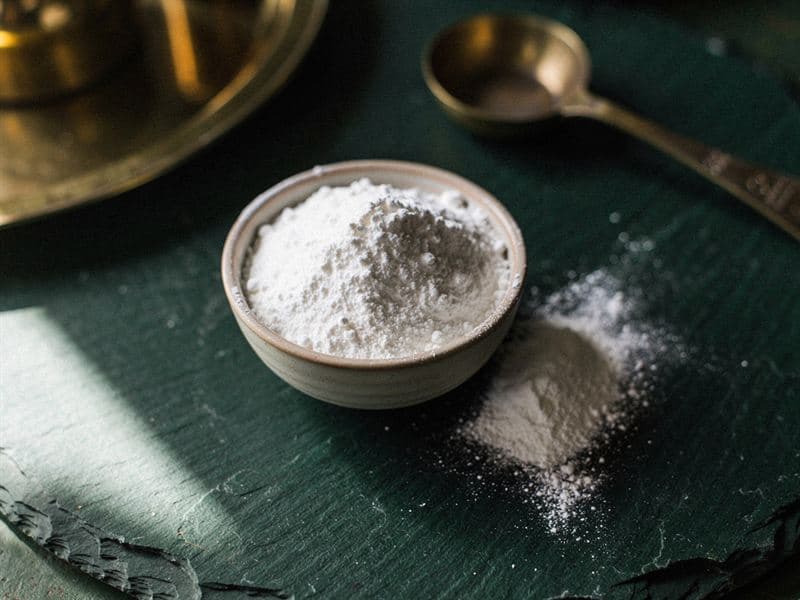
Cornstarch — still life

Cornstarch does one thing and does it well: it absorbs moisture. That sounds unglamorous until you understand that almost every unpleasant thing that happens to a foot — the smell, the fungus, the blister, the softened skin that tears — begins with the foot being damp inside a shoe for hours.

It also reduces friction. A blister forms where skin rubs repeatedly against sock or shoe, and a dusting of cornstarch lets the two surfaces slide rather than drag. For anyone who walks or stands all day, that is genuine prevention rather than treatment.

The book puts it alongside baking soda, and it is right that they overlap. Cornstarch is the better absorber; baking soda is the better deodoriser. Many people use both.

How to use it

  1. 1

    Daily dusting

    A light dusting over clean, completely dry feet each morning, and a teaspoon shaken into each sock. Reapply midday if you are on your feet.

  2. 2

    Blister prevention

    Dust the specific spots that rub — the back of the heel, the ball of the foot, between the big and second toe — before a long walk.

  3. 3

    Shoe treatment

    A tablespoon in each shoe overnight, tipped out in the morning. Draws moisture out of the lining rather than just the foot.

Before you use it

  • Feet must be bone dry first. Cornstarch on damp skin turns to paste and makes things worse.
  • Do not use it on an open or weeping blister.
  • If a fungal infection is already established, cornstarch supports treatment but will not clear it alone.

Treats

Also appears in

Feet Naturally — book cover
From the book

Feet Naturally

The original book this guide is built from — 30 common foot problems and the natural remedies for them.

Share this

This is natural-care information for general guidance only — it is not medical advice. For severe, worsening, or diabetic foot problems, please see a doctor.