
Feet Naturally — natural steps, better health
The shelf
18
Carrier oil

Coconut Oil

Moisturiser and antifungal in one jar

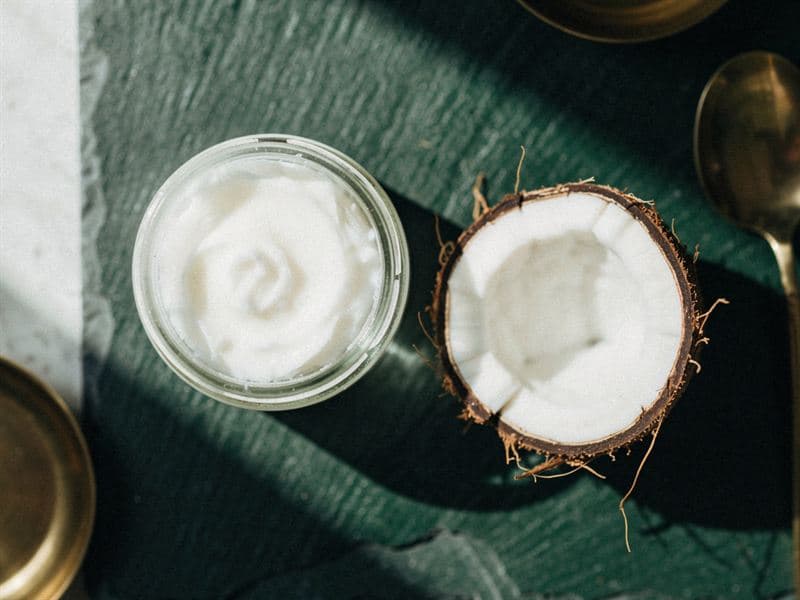
Coconut Oil — still life

Coconut oil is unusual among the carriers here because it is not merely a base — it is active in its own right. Roughly half its fat is lauric acid, which has genuine antimicrobial and antifungal properties, and that combination of moisturising and mildly antifungal is rare and useful.

For dry feet it is a straightforward emollient. For dry feet that keep developing fungal trouble between the toes or under a nail, it does both jobs at once, which is why it appears so often in the recipes at the back of the book.

It is solid below about 24°C and liquid above, so it will change state on your shelf through the year. This is normal and does not affect it.

How to use it

  1. 1

    Nightly moisturiser

    A teaspoon melted in the palms, worked into clean dry feet, cotton socks over the top.

  2. 2

    Antifungal blend

    A tablespoon of coconut oil with four drops of tea tree. Apply to affected skin twice daily. Coconut carries the tea tree and adds its own action.

  3. 3

    Salt or sugar scrub base

    Two tablespoons of sea salt into a tablespoon of melted coconut oil. Scrub, rinse, and the oil left behind does the moisturising.

Before you use it

  • Use virgin, unrefined coconut oil — refined has been bleached and deodorised and lost most of the lauric acid.
  • Never between the toes.
  • Extremely slippery on tile. Socks on before standing.

Treats

Also appears in

Feet Naturally — book cover
From the book

Feet Naturally

The original book this guide is built from — 30 common foot problems and the natural remedies for them.

Share this

This is natural-care information for general guidance only — it is not medical advice. For severe, worsening, or diabetic foot problems, please see a doctor.