
Diabetic feet need extra care. Even small foot problems can become serious for people with diabetes. Always check with your doctor before treating a foot issue at home.
Each year, approximately 13,000 children are diagnosed with diabetes. More than a million young people have been diabetic for a long time. Type 1 diabetes, or juvenile diabetes, is a destructive autoimmune variant of the disorder. Children diagnosed with Type 1 diabetes are dependent on insulin lifelong. They also face numerous life-threatening health complications. A diagnosis of Type 1 diabetes may come as a shock to both the children and their parents. Controlling the progression of the disorder is an uphill task, but achievable so long as you maintain a strict regimen in terms of diet and lifestyle. This is imperative as juvenile diabetes, when left unchecked, can gradually damage all the vital organs in the body and produce long-term complications such as diabetic retinopathy, cardiovascular disease, hypoglycemia, nephropathy, and neuropathy.
Neuropathy, which is the loss of sensation in the extremities and limbs, is caused by acute nerve damage. This nerve damage in the feet means that they fail to generate a response to stimuli. Sensations of pain, heat, cold, itching, and discomfiture become virtually non-existent. As a consequence, the patient is oblivious to injury in the feet. Injury combined with poor circulation which is a direct outcome of the disorder poses a lethal threat. When left unattended over a period of time, the injured foot will become deformed, develop ulcerations, and eventually gangrene will set in. At this point, the patient is left with no alternative but to undergo a surgical amputation to keep the infection from spreading to other parts of the limb. According to estimates, one in five children that are hospitalized for a diabetic-related complication have foot problems.
This chapter is specifically written to help the parents of very young children who are affected with Type 1 diabetes. We shall discuss effective ways to care for your child’s feet, thereby averting the occurrence of foot ulceration and other complications. No injury, especially those involving the feet, should be considered minor, when you are dealing with a child with Type 1 diabetes. This is so because the poor blood circulation in the patient means that there is a constant threat of infection. Given the loss of sensation in the feet as a result of neuropathy, scratches and wounds go unnoticed. However, even a minor scratch can snowball into a gangrenous infection. Hence, it is necessary to be proactive and vigilant, constantly looking out for any sign of trauma or injury in your child.
Here are some useful foot care tips for children with diabetes:
- Toenails must be clipped regularly so that they are just short enough but do not exposing the underside of the toe. Clipping them too short could cause bleeding and injury to the nail bed, creating the possibility of infection. Nails must be cut evenly to prevent an ingrown toenail from forming. A foot bath before clipping will soften the nails and make it easier to cut them gently.
- A thorough examination of your child’s toenails should be done on a regular basis. While doing so, you must check for any signs of discoloration and thickening. A fungal infection should never be ignored as it could penetrate broken skin and lead to serious ill-effects.
- If you encounter such things as corns, warts and stretches of hard skin during inspection, it is best to consult a podiatric professional immediately. Do not, under any circumstances, attempt to peel or remove such lesions manually. Avoid using commercial products to treat these skin OR eruptions unless they are recommended by your podiatrist.
- Maintaining exemplary feet hygiene is paramount when dealing with Type 1 diabetes. Wash the feet in a blend of mild soap and lukewarm water. Make sure not to soak them for too long. Rinse and dry the feet with a soft towel. Extra care must be taken to dry the corners and ridges between the toes, as the accumulation of moisture could lead to a fungal infection.
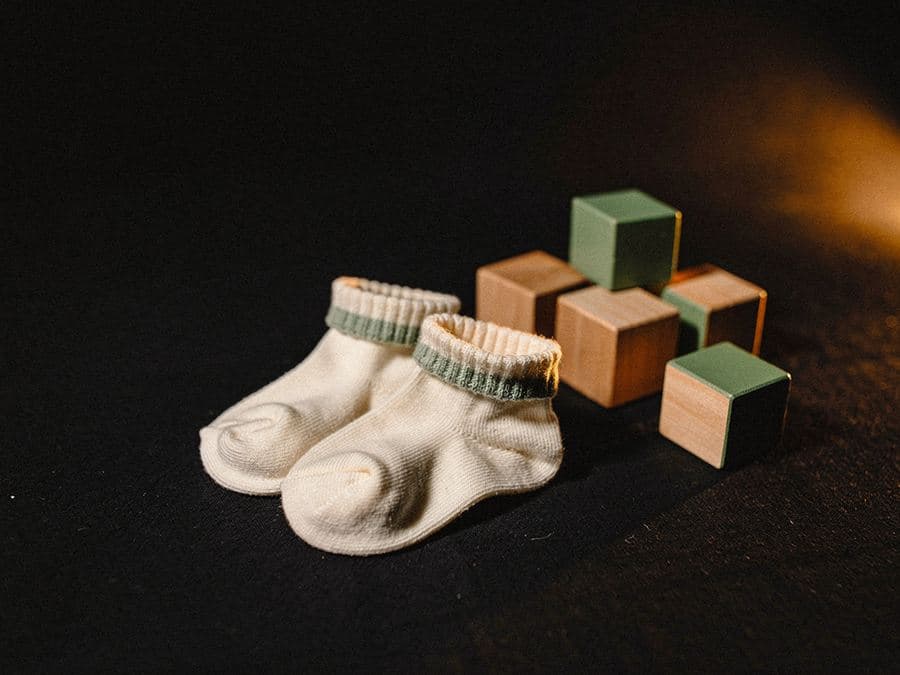
- All hosiery items such as socks and stockings must be changed frequently, and washed with a mild antiseptic detergent. Your child should wear socks that have seamless toes; seams could create friction as they rub against the toes. It is best to invest in a material that easily absorbs perspiration from the skin. Avoid wool and cotton socks as much as possible. Cotton socks tend to trap moisture in between the toes, while wool has the tendency to shrink and restrict circulation of blood.
- Feet should be kept dry but not too dry. If they become dry and scaly, especially during the winter months, apply a gentle moisturizer to the area. You may also use petroleum jelly or baby oil. Shoes must not be worn immediately after moisturizing the feet, as this could encourage the growth of fungus.
- Ensure that your child’s bath water is warm but not too hot. Always check the temperature of the water with your elbow or a thermometer before a bath or shower.
- After emerging from a swimming pool, make sure to dry your child’s feet with a soft towel immediately. This should also be done when it rains. Stop! Consult your medical doctor!
- During the winter, ensure that your child’s feet are far away from room heaters. Also, do not forget to remove heating pads and turn off electric blankets before they sleep.
- Your child should wear comfortable footwear at all times, even at home. Walking barefoot should be avoided at all costs as this could leave your child prone to injury and infection caused by exposure to opportunistic bacteria. Invest in the shoes and footwear recommended by your child’s pediatrician.
- While sitting, ensure that your child legs are not crossed, as this could restrict blood circulation while exerting pressure on blood vessels and nerves.
- Your child should not be exposed to any form of tobacco smoke, either inside or outside the house. Smoking affects circulation and reduces the absorption of oxygen. Diabetics are at a greater risk of impaired circulation, and exposure to smoke would just make it worse.
- Encourage your child to take up a moderate level of exercise. This will boost blood circulation and enhance overall health as well. Parents of very young children afflicted with diabetes should create a daily foot inspection regimen. Dispel your child’s fears and apprehensions by introducing a fun element during the foot exam. In addition to inspecting the feet for blisters, sores, and injuries, keep a lookout for changes in shape, appearance, and coloration. Likewise, be vigilant if you see any change in your child’s activity level, posture, or gait. Constant stomping or scratching of the feet or rubbing them against surfaces to alleviate discomfort could indicate that your child might have developed an infection of the foot. In the event of an injury or infection, schedule an appointment with a professional immediately. 27 27