Diabetic feet need extra care. Even small foot problems can become serious for people with diabetes. Always check with your doctor before treating a foot issue at home.
Diabetic patients are at a high risk for foot ulceration. In particular, elderly patients are more susceptible because of the poor blood circulation, which is one of the contributing factors for ulcers to occur. As we have discussed earlier, ulceration of the feet can lead to disastrous consequences. Hence, proper foot care is of paramount importance. In this section we shall elaborate on proper foot care measures for elderly people with diabetes.
Why You Must Take Care of Your Feet
Human feet are one of the most important parts of the body, not to mention one of the most vulnerable. Despite this, people still tend to neglect their feet. For healthy people, this may not pose much of a concern. With a diabetic, however, a diseased foot can hinder mobility and affect the quality of life. People who have suffered from diabetes for a long time often develop nerve damage in their feet. Some of the common symptoms of nerve damage include: a loss of sensation, extreme numbness, burning sensations, tingling, and pain.
Diabetics who suffer from poor blood circulation may complain of pain in their feet and calves while at rest. This may occur especially at night. The foot also feels cold to touch. Each year, these symptoms eventually result in foot amputation in thousands of diabetics, because of severe and untreatable ulceration. Tragically, however, most of these could have been averted by proper care, as medical professionals know very well. That is why, if you have diabetes, you need to give your feet the best of tender loving -- NO of 63 -- care. Let us discuss some foot care measures that will ensure your feet remain healthy and ulcer-free.
Personal Hygiene
Begin your day by washing your feet in tepid water using a mild soap. However, don’t soak them. Avoid the use of washing soda or Epsom salts in your footbath. After you have washed your feet thoroughly, dry them carefully with a soft towel. Dry gently between the toes to prevent moisture and bacteria from breeding in this space. Use a blotting action so as to avoid putting much pressure on the skin. Once the skin is dry, apply a moisturizing cream. If you prefer to use a talcum powder instead, go for a mild preparation such as baby powder. Apply the powder during the day and wash it off at night to prevent germs from growing between the toes. If you find that the skin between the toes has become too moist, you can dry it out with a thin coat of surgical spirit.
Skincare
You must make it a point to examine your feet daily for the occurrence of any cracks, abrasions, cuts, corns, or hard layers of skin that may have formed. If left untreated, even tiny cuts can lead to infection. If your inspection reveals any of these, apply a mild antiseptic and cover the area with a sterile dressing. You should see your doctor or contact your hospital diabetes department for further assistance without any delay.
Stop!
Consult your medical doctor!
Corns & Calluses
Corns and calluses are hard layers of skin that form as a result of the constant pressure or friction exerted on the area by footwear. They can be a source of infection as the hard skin may mask an underlying wound. Without a routine inspection, corns and calluses may go undetected if there is severe nerve damage. They must be treated immediately to prevent the infection and developing wound.
Toenails
Patients should cut their toenails just short enough to ensure that the nails are aligned with the ends of their toes. Avoid cutting them too short, or down the sides, as this could lead to cuts, ingrown toe nails, and skin abrasions in the area. After cutting your nails, use a file to smoothen out the rough edges. Toenails should be ideally cut after a warm bath, because this makes them softer and easier to cut. If you are unable to do this on your own, consult a nail technician.
Footwear
Footwear is the most important aspect of diabetic foot care. Shoes that fit well and give your toes ample room to breathe and wiggle can prevent 90 percent of all foot problems. Tight-fitting shoes are definitely risky for a diabetic, because they can cause corns, calluses, and skin abrasions that will eventually lead to ulceration. Chiropodists recommend that patients choose footwear with the following features:
- Shoes that have soft insoles to provide a comfortable cushion for your feet, and lessen the impact sustained while walking
- Shoes with soft leather uppers and no seams, to give your feet the right support while allowing the skin to breathe
- Shoes with wide toes and depth to give your toes enough room to wiggle without being crushed together As a precaution, turn your shoes upside down and tap them every time you put them on, and check for any pieces of grit or other foreign objects that may have entered them during the day.
Socks
You must avoid socks and stockings that are tight or extend above the knee. These can restrict circulation and cause more problems in the long run.
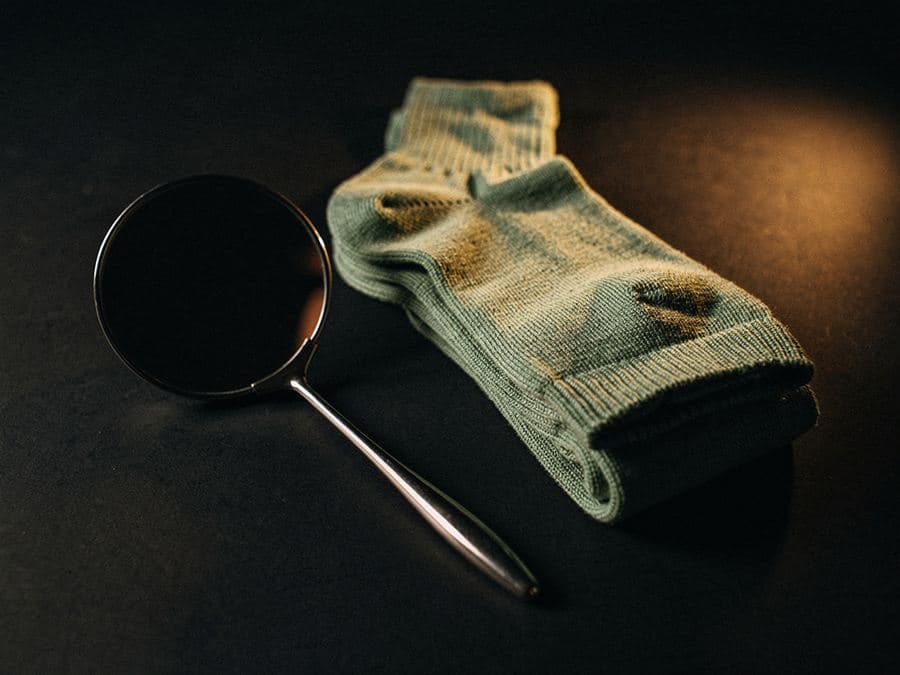
Loose socks are also dangerous, because they may irritate and wrinkle the skin. Invest in comfortable cotton socks instead.
Invest in Proper Footwear and
Socks
Shoe shopping for people with diabetes requires a little more attention to detail than you may be used to. Look for shoes with more depth in the toe box, good coverage top and bottom, and without seams inside the shoe that can rub on your foot. Purchase socks without seams, that are padded and made from cotton or another material that help to control moisture.
ON Avoid wearing elastic garters as these could severely hamper circulation to the feet.
Additional Tips for Better Foot Care
- Exercise regularly to improve circulation and the intake of oxygen in your body.
- Avoid crossing your legs when you sit down, and wear comfortable house shoes or slippers at home.
- Do not use animal wool around your toes as this could affect blood circulation.
- If you have poor eyesight, or any other difficulty which prevents a daily foot inspection, request a family member or friend to do it for you every day.
- Never use hot poultices on your feet.
- During winter, don’t put your feet too close to room heaters as this could damage your skin.
- Avoid using hot water bottles as the heat generated from them could pose a danger to your skin.
- If you use an electric blanket, you must switch it off before you sleep.
- Do not use commercially manufactured corn pasties or plasters as they may contain chemicals which can cause further damage. Instead, always use surgical dressings or medical-grade casts.
No Hot Water
When people with diabetes develop nerve damage or neuropathy, it’s hard to tell if the bath water is to hot.
- And lastly, quit smoking as the chemicals in cigarette smoke will further impair blood circulation in diabetic patients. Although diabetic foot ulceration can be fatal, if you follow these simple yet effective measures, you will have nothing to worry about. Along with good foot care, a healthy diet, exercise, and routine checkups, you can prolong the health and life span of your feet.
Quit Smoking
The dangers of smoking run from your head to your feet. Nicotine can decrease the circulation in the skin by 70 percent 23 23