Diabetic feet need extra care. Even small foot problems can become serious for people with diabetes. Always check with your doctor before treating a foot issue at home.
The popular adage, “if the shoe fits, wear it”, couldn•t be more appropriate for diabetics. Findings from recent research have ascertained that therapeutic footwear can cut the risk of developing foot ulceration in diabetic patients by half. So, while comfortable, well-fitting shoes are a health priority for most people, they could prove to be a matter of literally protecting life and limb for people with diabetes.
The irreparable nerve damage and poor circulation that is characteristic of the diabetes accounts for its being responsible for the highest incidence of non-traumatic lower limb amputation in the United States. Peripheral neuropathy, or extreme nerve damage, is part of the fallout of diabetes. It causes severe loss of sensation in the feet and lower limbs. This in turn means that patients often wear ill-fitting shoes as they are unable to feel the discomfort in their feet. As a result, the constant rubbing and chaffing of feet against tight or ill-fitting shoes produces injuries and ulceration over a period of time, often resulting in amputation. Hence, investing in therapeutic footwear constitutes a vital step in the prevention and recurrence of diabetic foot ulceration.
How Therapeutic Foot Wear Can Be
Beneficial
The concept of custom footwear was introduced with the objective of relieving the pressure applied on the base of the feet, which would reduce the occurrence of ulceration. Research suggests that by improving the pressure at ulcer-prone points in the feet through the use of therapeutic footwear, patients were able to successfully prevent the recurrence of ulceration.
Obtaining customized shoes recommended by a professional is your best line of defense against foot injuries and ulcers. These shoes are typically designed for wider feet, are seam-free, and have a deep toe box, allowing for maximum comfort and wiggle space. Also, they are incredibly light weight! Diabetic shoes come equipped with inserts, which slide into the soles perfectly. These help to keep the feet in place, ensure that the feet don’t rub against them, and provide an even weight distribution. The broad seamless design also facilitates good air circulation as well as freedom from unnecessary friction, keeping the feet dry and whole at all times.
Tips for Buying Shoes for Diabetics
- Purchase shoes that are made of soft leather; the stretch factor allows for some give and take as your feet swell and shrink at different times of the day.
- The shoe should have a cushioned sole to provide effective shock absorption.
- Choose shoes that have a rigid back so that they don’t collapse during movement. Laced shoes are preferred over loafers, as they have a more relaxed fit, and offer greater support to the feet.
- Some good shoe designs for diabetics include sandals and wide toe box shoes that are made of a breathable fabric. The shoes should ideally be seamless and strapped by elastic or Velcro, so that they keep the wearer’s feet from sliding about inside them, which can lead to injury.
Additional Diabetic Footwear Tips
- There should be a half inch of ‘wiggle space’ between the longest toe and the tip of the shoe, to prevent skin abrasion.
- Wear your new shoes for brief periods of time at first, until your feet get fully accustomed to them.
- Check your feet for any cuts or injuries every one to two hours when you are wearing shoes.
- Measure your feet periodically, and change your shoes as necessary, because foot size changes over time.
Other Useful Diabetic Foot Products
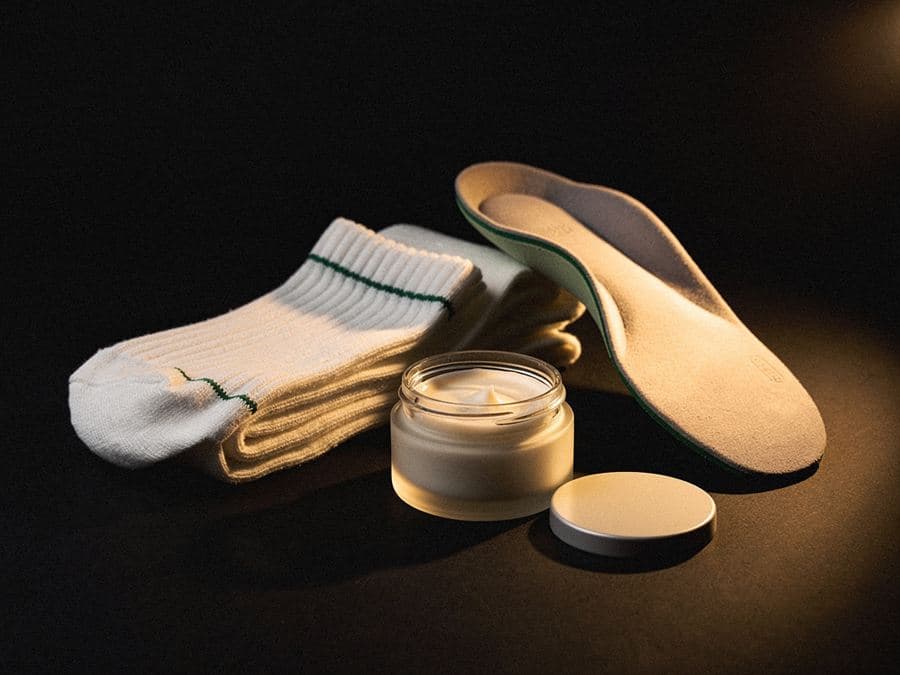
Diabetic socks are often recommended by podiatrists, along with specific footwear, to ensure foot health. These socks do not have seams, thus reducing the patient’s exposure to blisters and skin chafing. They are made of high quality mesh that encourages the flow of air and increases the ventilation of the skin, keeping it dry. The mesh also offers a soft fit without compressing the skin, thus ensuring optimum blood flow through the skin. The socks have a non-binding top and are reinforced at the heels and toes for durability.
When to Replace Your Shoes
The best way to make your customized diabetic shoes last longer is by using two pairs, which you can wear in turn every other day. This way your shoes won’t get worn out too quickly, or lose their support and shock absorption efficiency.
However, there comes a time when you must replace them. How will you recognize this need?
- The heels of your shoes are worn, causing it to be lower on one side than the other.
- The inner lining of the soles is torn.
- The mid-portion of the shoe has lost its firmness and is worn down. Always ensure that you purchase diabetic foot products based upon the recommendation of your podiatrists. They will be able to specify the shape, size, design, and performance expectations according to the nature of your feet and the stage of your disease. Stop! Consult your medical doctor! 53 53