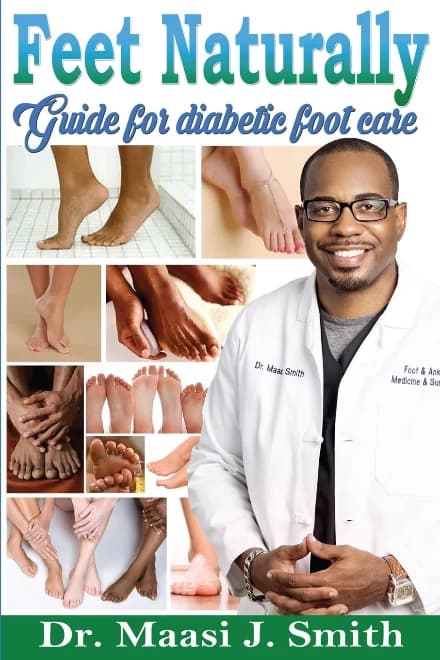

Diabetic feet need extra care. Even small foot problems can become serious for people with diabetes. Always check with your doctor before treating a foot issue at home.
Diabetic ulceration is becoming an endemic health concern in hospitals and home for the aged facilities. Due to the high prevalence of this complication, most healthcare practitioners are taking a more holistic approach to its prevention and treatment. This includes nutritional therapy and supplementation in addition to treatment. It is a proven fact that proper nutrition plays a vital role in wound healing. Malnutrition has been isolated as a high-risk factor for the onset of diabetic ulceration.
Diabetic patients have an increased need for energy which requires a higher turnover of essential vitamins, minerals, and amino acids. Some of the nutrients that need supplementation in these patients are Vitamin A, C and E, zinc and proteins. Studies have shown that adequate nutritional intervention administered orally, such as protein supplements, can effectively reduce the risk of developing ulceration in patients by OR percent. Nutritional supplementation functions by compensating for dietary macro and micro-nutrient deficiencies in ailing patients. In this chapter we shall explore nutritional therapy and supplementation in greater detail.
Nutritional Therapy Mechanism
Adequate nutritional supplementation leads to an improvement in the nutrient intake and status of the patient. Firstly, the healthy -- OR of 63 -- weight gain associated with nutritional improvement causes increased soft-tissue padding over the bony protrusions. This means that in the affected area, the pressure on the underlying tissue is more evenly distributed over a wider area, enabling better blood flow, free circulation and thus a lower chance of blood clot formation. Next, the condition of the skin in the affected area also shows a marked improvement, which increases its resistance to the ulcerating effects of pressure, friction, and other forces that are involved in mobility. Finally, nutritional support also ensures an adequate fluid consumption, thus staving off dehydration, which is a leading cause of ulceration.
Nutrient Intake
As highlighted previously, energy, proteins, micronutrients, and minerals such as vitamin A, C, and zinc play a vital role in the healing process of diabetes-induced wounds and ulcers. In the following sections, we shall attempt to illustrate the independent benefits of these nutrients, and their role in the treatment and prevention of ulceration.
Energy & Proteins
The European Pressure Ulcer Advisory Panel has earmarked the daily dietary requirement for patients in terms of energy and protein as follows: a minimum of 30 to 35kcal per kg body weight, and 1 to 1.5g of protein per kg body weight. These specifications by the EPUAP are based on in-depth research and the consideration of evidence gathered from patients in many countries, showing a faster recovery in wound healing and ulceration when these guidelines are followed.
Proteins play a pivotal role in all stages of the healing process. They aid in fibroblast proliferation, synthesis of collagen in the skin, regeneration of new cells and boosting the overall immune function. The healing power of protein supplementation was confirmed by a small study conducted on 28 malnourished nursing home patients who were suffering from stage IV ulceration. Nutritional formulas containing 24 percent protein were fed to them over a course of 8 weeks, in addition to routine ulcer care. During this period, the patients’ wounds began to heal rapidly.
Similarly, another independent study was conducted on NO elderly patients who were institutionalized. They were divided into groups, of which the first was fed a formula containing 16 percent protein while the other group was fed a formula containing OR percent protein. Both groups displayed a positive improvement in their wounds. However, the second group, that received a higher amount of protein, displayed a much quicker healing response than the former. These two tests corroborate the thinking that a diet rich in proteins can ensure quicker wound recovery for patients with chronic ulceration.
Arginine
Arginine has been promoted widely in recent years by the medical community for its therapeutic role in wound healing and the prevention of diabetic ulcers. Arginine is an essential amino acid that has numerous pharmacological benefits for the human body. It facilitates collagen deposition, cell regeneration, synthesis of vital proteins, boosts T-lymphocyte function, and maintains a healthy nitrogen balance in the body. It also acts as a precursor for the formation of nitric oxide in the body. Nitric oxide is a potent vasodilator, and is known for its antibacterial and potent wound-healing properties.
Arginine has been proven to reverse the effects of metabolic stress and oxidation. A study was conducted to examine the antiinfl ammatory and wound healing properties of arginine. Patients with existing ulcers were given arginine supplements at doses between 17 and 24g per day for a period of two weeks. The results showed an enhanced production of collagen in the skin along with accelerated wound healing. Also, the respondents did not experience any adverse side effects. Thus, it can be concluded that arginine supplements are safe to consume and have the potential to aid in successful and rapid wound recovery.
Micronutrients
Micronutrients play a vital role in the healing and prevention of diabetic ulceration. As most diabetic patients suffer from malnutrition, the defi ciency of crucial vitamins and nutrients makes them six times more susceptible to the development of skin wounds and ulceration. Micronutrients such as Vitamin A, C, and E, as well as minerals like zinc, replenish the nutrient defi ciency in patients whilst boosting their immune response.
Vitamin C is an excellent antioxidant that accelerates wound healing by increasing the synthesis of collagen in the body, boosting the function of neutrophils (a type of WBC), and staving off bacterial infections.
The increased production of collagen also creates a barrier against invading pathogens. Zinc is an essential trace mineral that is responsible for the growth and replication of healthy cells. Zinc supplementation has been found to greatly enhance the healing of wounds in diabetic patients.
From the positive results gleaned from controlled clinical studies, it may be concluded that nutrition therapy is an effective treatment methodology for the prevention and healing of diabetic ulcers. Nutrition therapy and supplementation benefits the patient with ulceration by addressing both macro- and micro-nutrient deficiencies that are prevalent in such patients as a result of malnutrition. There is a substantial body of evidence to show that the incidence of pressure ulcers can be decreased; they can be healed, and also prevented successfully by administering specific formulas packed with proteins and essential nutrients to high-risk patients. FUN FACT Standing in one spot is far more tiring than walking because the demands are being made on the same few muscles for a longer length of time.
49 49