
Feet Naturally — natural steps, better health
The shelf
27
Herb

Thyme

A kitchen herb with real antifungal teeth

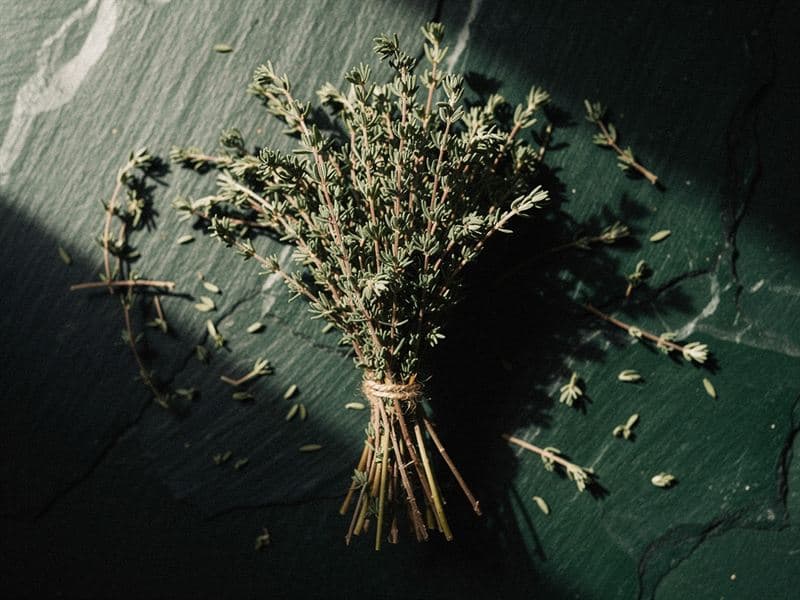
Thyme — still life

Thyme owes its power to thymol, a phenol so effective as an antiseptic that it was used to sterilise surgical dressings before modern antibiotics, and which still appears in mouthwash today. It is one of the most credible antifungal and antibacterial agents available from a supermarket shelf.

The book uses it for athlete's foot and plantar warts. Both make sense: the fungal infection responds to thymol directly, and warts — being viral — respond to thyme's antiviral activity together with the immune stimulation the herb provides.

Fresh or dried leaf makes a good soak. Thyme essential oil is far stronger and needs the same care as oregano.

How to use it

  1. 1

    Herb soak

    A generous handful of fresh thyme, or three tablespoons dried, steeped in a jug of just-boiled water for fifteen minutes. Strain into a basin, cool to comfortable, soak twenty minutes daily.

  2. 2

    Wart application

    The strong cooled infusion on a cotton pad, held against the wart for fifteen minutes, twice daily. Plantar warts are stubborn; expect weeks.

  3. 3

    Thyme oil, carefully

    One drop of thyme essential oil in a teaspoon of carrier, applied to the specific spot only. Treat it as you would oregano.

Before you use it

  • Thyme essential oil is a phenol and irritates skin readily. Dilute heavily and patch test.
  • Avoid in pregnancy.
  • Thyme can lower blood pressure — worth knowing if yours is already low.
  • Not on broken skin.

Treats

Feet Naturally — book cover
From the book

Feet Naturally

The original book this guide is built from — 30 common foot problems and the natural remedies for them.

Share this

This is natural-care information for general guidance only — it is not medical advice. For severe, worsening, or diabetic foot problems, please see a doctor.