
Feet Naturally — natural steps, better health
The shelf
01
Essential oil

Spearmint Oil

The gentler mint

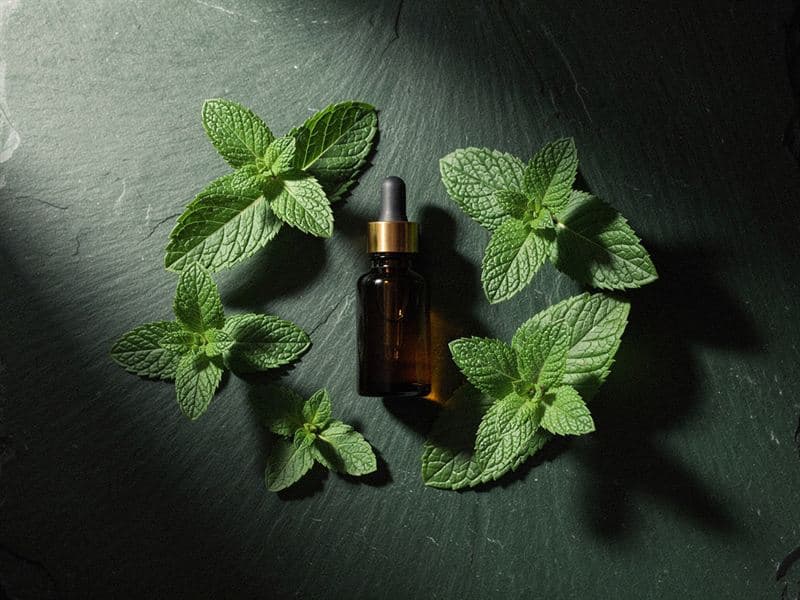
Spearmint Oil — still life

Spearmint is peppermint's milder relative. Both come from the mint family and both carry menthol, but spearmint holds only a fraction of it — which is exactly why it is worth keeping separate on the shelf. Peppermint hits cold and sharp. Spearmint cools without the sting, and that makes it the better choice for thin, tender, or already irritated skin.

Its usefulness on feet is twofold. The antiseptic compounds in the oil discourage the bacteria that turn ordinary foot sweat into foot odour, and the mild menthol gives a cooling sensation that takes the edge off hot, tired feet at the end of a long day.

If peppermint has ever felt too strong on your skin — a burning rather than a cooling — spearmint is the substitution to make.

How to use it

  1. 1

    Evening deodorising soak

    Five or six drops into a basin of warm water. Soak for fifteen to twenty minutes, then dry thoroughly, especially between the toes. The drying matters as much as the soaking.

  2. 2

    Cooling rub

    Three drops of spearmint into a tablespoon of almond or jojoba oil. Work it over the sole and the top of the foot. Good after a day standing.

  3. 3

    Shoe refresh

    Two drops on a cotton ball, one in each shoe, left overnight. Attacks the smell at its source rather than covering it.

Before you use it

  • Never apply undiluted to skin.
  • Keep well away from the eyes — mint oils on fingers then rubbed into an eye is a genuinely painful mistake.
  • Not for infants or toddlers.
Feet Naturally — book cover
From the book

Feet Naturally

The original book this guide is built from — 30 common foot problems and the natural remedies for them.

Share this

This is natural-care information for general guidance only — it is not medical advice. For severe, worsening, or diabetic foot problems, please see a doctor.