
Feet Naturally — natural steps, better health
The shelf
10
Carrier oil

Jojoba Oil

Closest thing to your skin's own oil

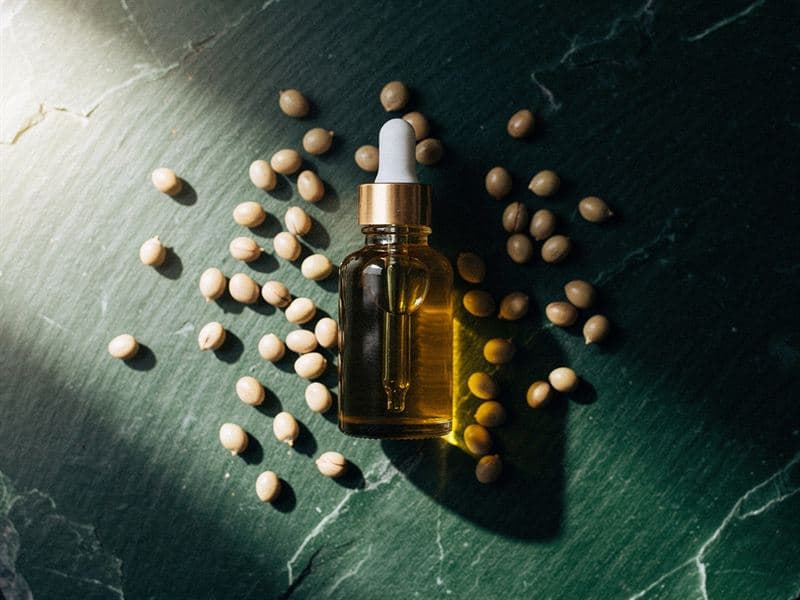
Jojoba Oil — still life

Jojoba is not technically an oil at all — it is a liquid wax, pressed from the seed of a desert shrub. That chemistry matters, because the wax esters in jojoba are remarkably close to sebum, the oil human skin produces for itself. Skin recognises it and takes it up readily.

The practical result is an oil that moisturises without clogging, cleanses without stripping, and keeps almost indefinitely without going rancid — which cannot be said of most of the carrier oils here.

For cold feet it works less by warming than by restoring a skin barrier that dryness and cold have damaged. Skin that holds its own moisture is skin that holds its own warmth.

How to use it

  1. 1

    Conditioning treatment

    A teaspoon into clean dry feet at night. Absorbs cleanly enough that socks are optional.

  2. 2

    As a carrier

    One tablespoon to three or four drops of essential oil. The long shelf life makes it the best choice for a blend you intend to keep for weeks.

  3. 3

    Cuticle and nail care

    A drop worked around each nail bed. Softens the cuticle so it can be pushed back rather than cut — which matters, because cutting cuticles is how infections start.

Before you use it

  • Buy cold-pressed and unrefined; the clear, odourless refined version has had most of the useful content processed out.
  • Never swallow it — jojoba is not digestible.
  • As with any oil, keep it out from between the toes.

Treats

Feet Naturally — book cover
From the book

Feet Naturally

The original book this guide is built from — 30 common foot problems and the natural remedies for them.

Share this

This is natural-care information for general guidance only — it is not medical advice. For severe, worsening, or diabetic foot problems, please see a doctor.