
Feet Naturally — natural steps, better health
The shelf
22
Herb

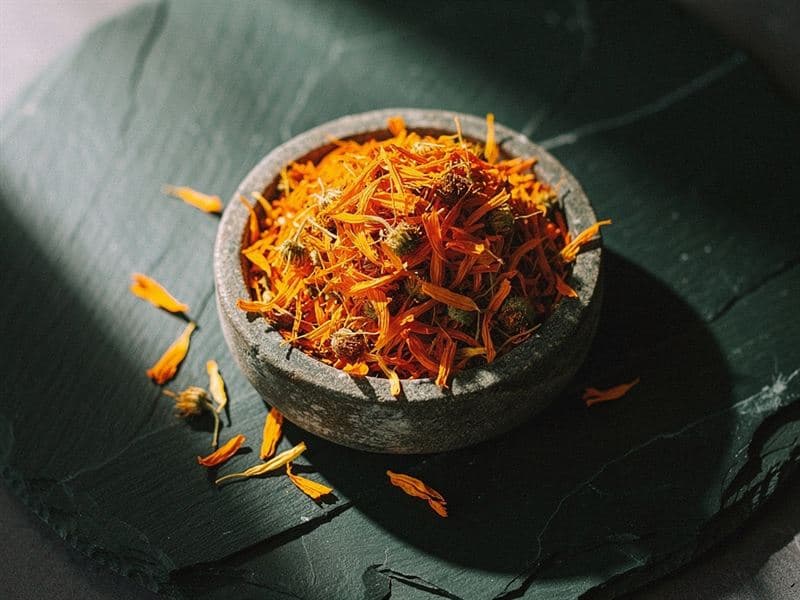
Calendula Leaf

For skin that is broken and needs to close

Calendula Leaf — still life

Calendula is the common pot marigold, and it has been the standard European wound herb for centuries. Its distinction in this index is that most of these ingredients treat intact skin, whereas calendula is specifically for skin that has broken — a split heel, a torn blister, raw skin between the toes.

It works on two fronts. It is anti-inflammatory, so it reduces the redness and heat around a wound. And it is genuinely tissue-regenerative: calendula speeds the formation of new skin, which is why it appears in almost every commercial nappy-rash and wound cream.

The antifungal action is milder than tea tree or oregano, but calendula can be used where those two absolutely cannot — on damaged skin.

How to use it

  1. 1

    Healing soak

    Two tablespoons of dried calendula petals steeped in just-boiled water for fifteen minutes, strained and cooled into a basin. Ten to fifteen minutes. Gentle enough for cracked skin.

  2. 2

    Compress on a fissure

    A cloth soaked in the cooled infusion, held against a split heel for ten minutes, twice daily. Follow with shea butter once the skin is dry.

  3. 3

    Infused oil

    Dried calendula covered in olive oil, left in a warm place for two weeks, then strained. Keeps for months and is the gentlest thing you can put on damaged foot skin.

Before you use it

  • Avoid if you react to daisies, ragweed, chrysanthemums or marigolds — calendula is in the same family.
  • Avoid during pregnancy.
  • A wound that is spreading, hot, or producing pus needs a doctor, not a herb.
Feet Naturally — book cover
From the book

Feet Naturally

The original book this guide is built from — 30 common foot problems and the natural remedies for them.

Share this

This is natural-care information for general guidance only — it is not medical advice. For severe, worsening, or diabetic foot problems, please see a doctor.