
Diabetic feet need extra care. Even small foot problems can become serious for people with diabetes. Always check with your doctor before treating a foot issue at home.
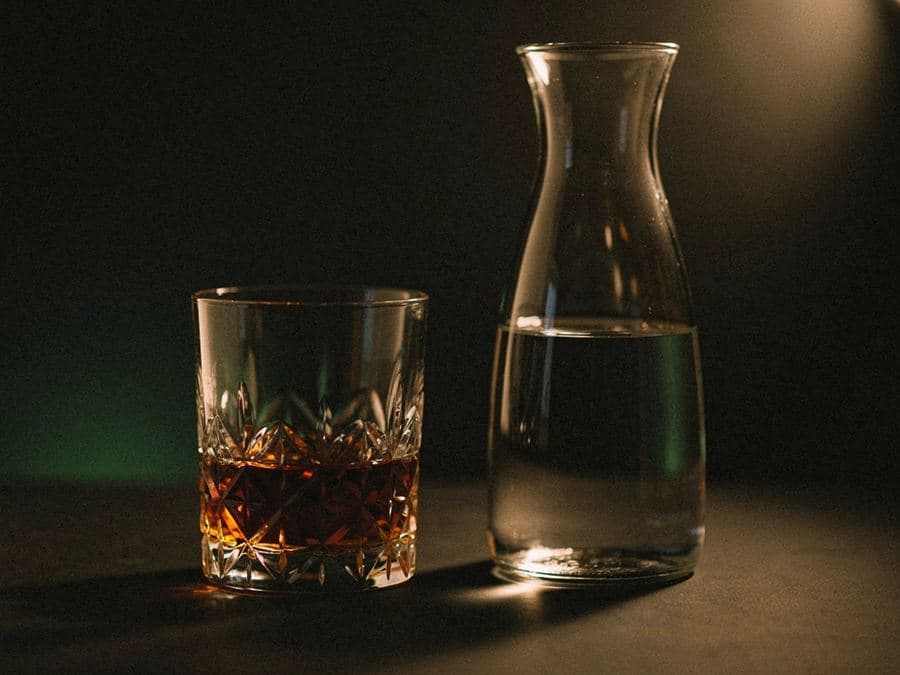
Consumption of alcohol may often be harmful for diabetics. Diabetes patients who consume alcohol increase their blood sugar levels and add to their body weight. This aggravates their condition.
If you have diabetes, it is wisest to ask the doctor if drinking alcohol is safe for you. If the doctor allows it, you need to follow some guidelines and know a few important facts about drinking when you have diabetes.
The most important fact is that even if you like to drink, you need to exercise moderation.
Secondly, you should, preferably, drink only when your diabetes and blood sugar levels are under control. Moreover, the ideal diet in such a situation would be a calorie-controlled diet that includes one drink of alcohol, counted as two fat exchanges.
Effects of Alcohol on Diabetes
Alcohol has many negative effects on diabetes and generally aggravates it. Know about these effects so that you can drink safely:
- Alcohol can either increase or decrease your blood sugar levels. Even a small amount of alcohol can raise your blood sugar to excessive levels. On the other hand, you need to be very cautious about going beyond your limits because too Stop! Consult your medical doctor! much alcohol can actually drop your blood sugar to dangerous levels.
- Be aware that even beer and sweet wine contain carbohydrates that can interfere with blood sugar levels.
- Alcohol also stimulates craving. This may compel you to overeat and raise your blood sugar levels.
- Alcohol can cloud your thinking so that you end up eating food not suitable for diabetics.
- Alcohol can disturb the positive action of your oral diabetes medicines or insulin, and so disrupt your blood sugar control.
- Alcohol may also boost triglyceride levels and blood pressure.
- Alcohol may cause nausea, an increased heart rate, flushing, and garbled speech.
Drink Safely
It is important to know that your liver plays a vital role in balancing the blood sugar-to-insulin ratio when you are not eating or drinking. Research indicates that alcohol delays the liver’s ability to produce sugar during the fasting state, or when you are sleeping at night. This is the time when our sugar levels drop to the lowest levels.
It is also not wise to drink before a meal or, in other words, on an empty stomach. This causes the blood glucose level to start dropping. This happens because the liver fails to release the necessary glucose into the bloodstream to correct the falling glucose levels, since it has to first focus on flushing out the alcohol from your system.
UP So, before a drink, take a balanced meal or a snack that includes proteins, carbohydrates, and fats. You need all these food groups to produce sugar in your body. This, in turn, helps offset the effects of alcohol on your blood sugar levels.
Alcohol Can Cause Low Blood Sugar
If you are managing your diabetes well with a proper diet and exercise, you may feel that it is safe for you to drink alcohol. The truth is that it is still dangerous, because alcohol can still increase your risk of low blood sugar. You also need to know that if you take insulin or any other type of diabetes medication that stimulates insulin production, drinking alcohol can lead to even greater hazards. As mentioned earlier, the liver releases glucose to maintain normal blood sugar levels in the human body. But when you drink, especially on an empty stomach, the liver mainly attempts to break down the alcohol into safer forms. Thus it fails to release glucose at the right time or the right concentration into the bloodstream. This can result in a sharp, even dangerous, drop in your blood sugar levels.
The following facts and figures may help you understand the situation and the risks better. The liver takes around 1-1.5 hours to completely eliminate each unit of alcohol consumed. This is the time that you are at the highest risk of low blood sugar attacks. So, for 2 drinks, increase that time to 2 to 3 hours: this is the time span during which you are at risk for a fall in your blood sugar. Finally, the more the units of alcohol consumed, the greater the risk for serious drops in blood sugar.
So, what can you do to have a drink safely? As a rule of thumb, never have a drink on an empty stomach. Have a balanced meal or snack before you drink.
Alcohol Consumption Guidelines
Diabetics can enjoy a safe drink if they strictly follow these simple rules: 1. Drink only two units of alcohol per day if you are a man, or one drink if you are a woman.
2. Drink only after a balanced meal.
3. Savor your drink slowly.
4. Avoid “sugary” mixed drinks, sweet wines, or cordials. 5. Always dilute the alcohol with water, club soda, or diet soft drinks.
6. Lastly, wear a medical alert piece of jewelry that indicates that you are diabetic.
85 85